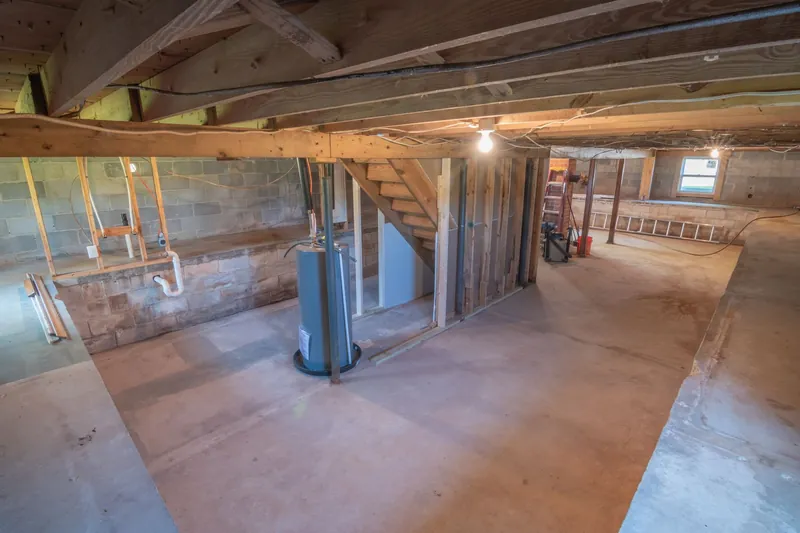
Sewer Backup Cleanup
Basements, lower levels and floor drains receive cleanup after a sewer backup.
See sewer backup cleanupGet Category 3 black water removed from a home, apartment, rental or business in Brewers Hill. Sewage cleanup includes contaminated material removal, cleaning, disinfection, odor control and structural drying.
Raw sewage cleanup means taking out Category 3 black water along with affected material, then disinfecting, cleaning in detail, treating odors and drying structural areas.
A broken sewer pipe or outdoor release can bring sewage onto a property. Backups may also come through toilets, showers and floor drains. Wastewater may hold bodily fluids, human waste, bacteria and additional hazardous material. What you see does not show the full extent. Liquid may spread into adjoining rooms, behind baseboards or beneath floors.
Contamination is addressed by sewage cleaning after no more wastewater is entering. The steps can involve removing water and porous items, washing surfaces, measuring moisture, drying and keeping an EPA-registered disinfectant in place through the label's entire contact time. A plumber corrects a blocked or damaged pipe. The cleaning and drying of affected materials comes afterward.
Records can be arranged for property owners, managers and insurance companies, including moisture measurements, photos and a task-by-task scope.
Before the cleanup process proceeds, you learn which water and materials require extraction, cleaning, removal, drying or documentation.
Calls are answered day and night. You can explain the source, affected areas and immediate hazards, and crews can arrive in unmarked vehicles.
Personal property is grouped according to what items are made of and how sewage affected them, separating cleanable possessions from those unsafe to retain.
Professional sewage cleanup is appropriate when wastewater reaches a building, crawl space or outdoor area and leaves contamination behind. Common situations include:
A sewer or floor drain backup sends black water across finished floors, concrete, walls or property kept in storage.
Wastewater rises through a shower or tub drain, then contaminates grout, flooring, baseboards and items on the floor.
A store, apartment building, office or other commercial property has a backup that needs restricted access, drying and cleanup.
When pipe damage or a sewer backup affects the area below a home, soil, insulation and access constraints can hinder cleanup.
Before any cleaning, focus on keeping people from exposure and preventing more wastewater entry. Start with these steps:
Call (888) 440-9227Published cost guides place many sewage cleanup projects between $2,000 and $10,000. Another published span is $1,500 to $8,000. These are planning ranges, not a fixed local price. The amount of Category 3 water, affected square footage, material removal, drying and waste disposal determine the actual scope after inspection.
Published national cost guides are the source for these ranges, rather than an inspection of your property. An on-site assessment determines your property's price, which is explained to you before the cleanup starts.
Ask about cost: (888) 440-9227Coverage is determined by the backup's cause and by the exclusions, terms and limits of your insurance policy. Report what happened without delay. Ask about coverage for a drain or sewer backup, and wait for specific directions if site conditions permit.
The lease, location of the failure and its cause can all affect who is responsible. Notify the property owner or manager and keep records of the condition.
Sewer and drain backups may receive different treatment than other water losses under a standard policy. Check for a sewer backup endorsement, then ask whether cleanup, restoration and removal fall within that coverage.
A property owner typically must pay for cleanup if there is no applicable insurance coverage. Ask for priorities, identify work that can be postponed and learn how adjustments to the scope receive approval.
An itemized scope, pictures, records of discarded materials and moisture data may support the insurance company assessment. Save your claim number and copies of all communications.
The sewage remediation process follows a controlled sequence that separates contaminated space, removes black water, cleans exposed surfaces and confirms that structural materials are dry. Trained technicians control every step of the entire process. The exact scope depends on what the wastewater touched because no single plan fits every situation.
Cleanup technicians examine the source and surrounding areas, record existing conditions and determine which materials wastewater reached.
Entry is limited, unaffected spaces are isolated from the cleanup zone and technicians wear protective equipment appropriate for the exposure.
Pooled wastewater is removed using suitable extraction equipment, with recoverable sewage controlled to protect clean areas from further spread.
The affected area is cleared of soaked carpet, padding, insulation, drywall and any other absorbent material that cannot be cleaned completely.
After cleaning the remaining nonporous surfaces, technicians apply an EPA-registered disinfectant and follow its labeled contact time in full.
Waste is contained after removal, then transported under the requirements governing the material and site. Whether the material legally counts as hazardous waste depends on the applicable rules.
Drying begins after surface cleaning and contaminated material removal, using dehumidification, moving air and moisture readings as guides.
Restoration services can move forward with new insulation, drywall or flooring after the cleaned area is inspected for lingering odor, moisture and overlooked damage.
Call any hour. A specialist in raw sewage cleanup takes your call, explains each step and agrees on a start time with you.
A large or spreading sewage backup is not ordinary household water and should not be approached that way. Raw sewage may expose you to dangerous microorganisms, affected objects and moisture that is out of sight.
Wastewater may contain bacteria, viruses and parasites. Stay clear of splashes, affected dust and direct skin contact, and ask vulnerable loved ones to remain outside the affected area.
The EPA states that mold growth on wet material can begin within 24 to 48 hours. The process cannot stop after extraction. The structure must also be dried under controlled conditions and inspected for remaining moisture.
Sewage is Category 3 black water. Materials touched by it require a contamination-focused cleaning process, not simple mopping or ordinary water removal.
Can you clean it yourself? A minor spill limited to an intact hard surface outside might be manageable if the source is stopped, electricity poses no danger, and you can contain runoff while preventing exposure. Do not mix cleaning chemicals. Avoid the affected space and seek professional sewage cleanup if the waste spread indoors, entered a crawl space, touched porous material or has uncertain limits. Professional help allows exposure control and completion of the work.
An item that is non-porous can sometimes remain if all exposed sides are accessible for cleaning and disinfection. Raw sewage can soak beneath the surface of porous material, so affected porous items often must be taken out.
There is no single safe timeline for sewage cleanup. The work continues through extraction, removal, cleaning and drying, and the space should not move to restoration until moisture readings and the final check support that decision.
| Scene | Typical time on site |
|---|---|
| Limited hard-surface sewage spill | Inspection comes first, followed by extraction and cleanup |
| Sewage backup with porous material | Material removal and drying extend the timeline |
| Multi-room or crawl space sewage contamination | How far sewage traveled, ease of access and drying control the timeline |
Stopping the source is the first part of sewage odor removal. Wastewater and porous materials with contamination must then be removed. An air freshener, bleach or fragrance cannot solve sewage remaining inside drywall, under floors or in moist contents.
After removal and cleaning, drying equipment can lower moisture in structural materials, and HEPA air filtration can help control particles created during the work. Persistent odor can point to hidden contamination, an unresolved plumbing problem or material that remains wet. The final check should trace the cause instead of covering the smell.
The full raw sewage cleanup guide covers what is cleaned or removed, odor and air quality work, and the rules that apply in your state.
Read the full raw sewage cleanup guideLocal population patterns, housing and site access may affect how containment and cleanup are planned.
The approximately 2.0 mile trip to Ascension Columbia St Marys Hospital Milwaukee matters when an injury must be assessed before anyone returns to the affected space.
Beerline B, Halyard Park, and Bronzeville are nearby, which helps define practical routes for crews, equipment, and sealed waste containers.
As a Milwaukee neighborhood, Brewers Hill may include several building styles, so cleanup planning should start with the exact property type.
During your call, ask whether cleanup is available in surrounding communities and ZIP codes.
Basements, lower levels and floor drains receive cleanup after a sewer backup.
See sewer backup cleanup
Soaked insulation and affected soil are included in crawl space sewage cleanup.
See crawl space sewage cleanup
Human feces cleanup and disinfection in homes, rentals and public restrooms.
See human feces cleanup
Removal and disinfection of blood, body fluids and other infectious material from any property.
See biohazard cleanup
Biological remediation that removes contamination and returns a space to safe use.
See biohazard remediation
Commercial and industrial sites receive biohazard cleanup arranged around operating needs and site access.
See commercial and industrial biohazard cleanup
Hotels, rental properties and Airbnb units receive biohazard cleanup.
See hotel, airbnb and rental biohazard cleanup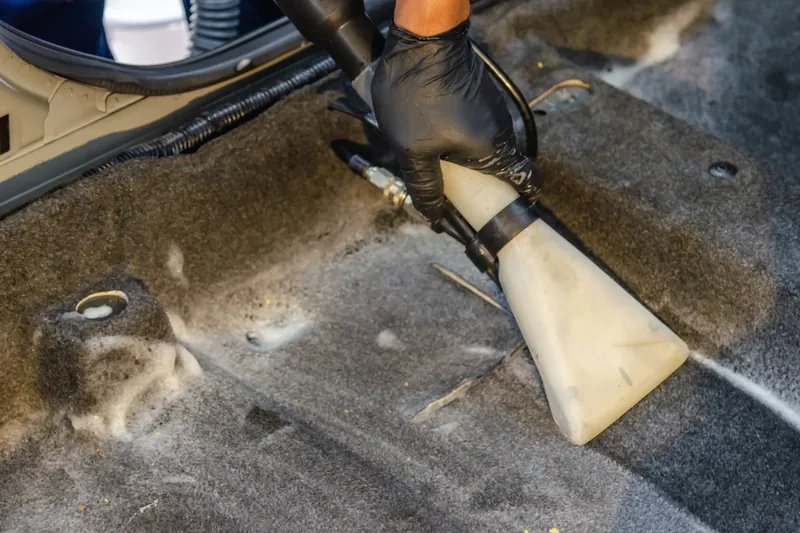
Biohazard carpet and upholstery cleaning, or safe removal when needed.
See biohazard carpet and upholstery cleaningYour policy terms and the source determine the answer. Sewer and drain backup may require a separate endorsement, and limits or exclusions can apply. Tell the insurer about the event and ask if cleanup and restoration have coverage. Save the claim number, and before discarding damaged material, verify which records the adjuster needs.
A plumber usually finds and repairs the blockage, broken pipe or failed fixture that caused the backup. Sewage cleanup services address the contaminated materials left after the backup. Ask each company where its work starts and ends so pipe repair, water extraction, removal, disinfection and drying are all assigned.
There is no single timetable that applies to every person or exposure. Prevent further contact, then use soap and clean water to wash any exposed skin. When sewage reaches your eyes or broken skin, is swallowed, or symptoms appear, ask a healthcare professional for guidance or get help from poison control.
Keep people and pets away, stop the source and prevent sewage from reaching clean areas or storm drains. How you respond varies according to the amount released, affected surface, available drainage and requirements in your area. Contact professionals for sewage removal and the appropriate local authority when backups recur, a substantial amount is released, or contamination is near a building or public area.
Pause water use, then prevent access to the bathroom. Do not run the shower or flush nearby toilets until the source is corrected. A minor spill confined to sound nonporous surfaces differs from an overflow reaching beyond the room or affecting grout and drywall. If the edge of contamination is unclear, call for professional sewage cleanup.
A sewer professional or plumber can stop the cause. For wastewater extraction, material removal, disinfection and drying, contact a sewage cleanup company. When water may have reached electrical equipment, stay out. Before anyone enters, contact the appropriate utility or a qualified electrician about the hazard.
Discreet, respectful raw sewage cleanup, 24 hours a day, with crews in unmarked vehicles.